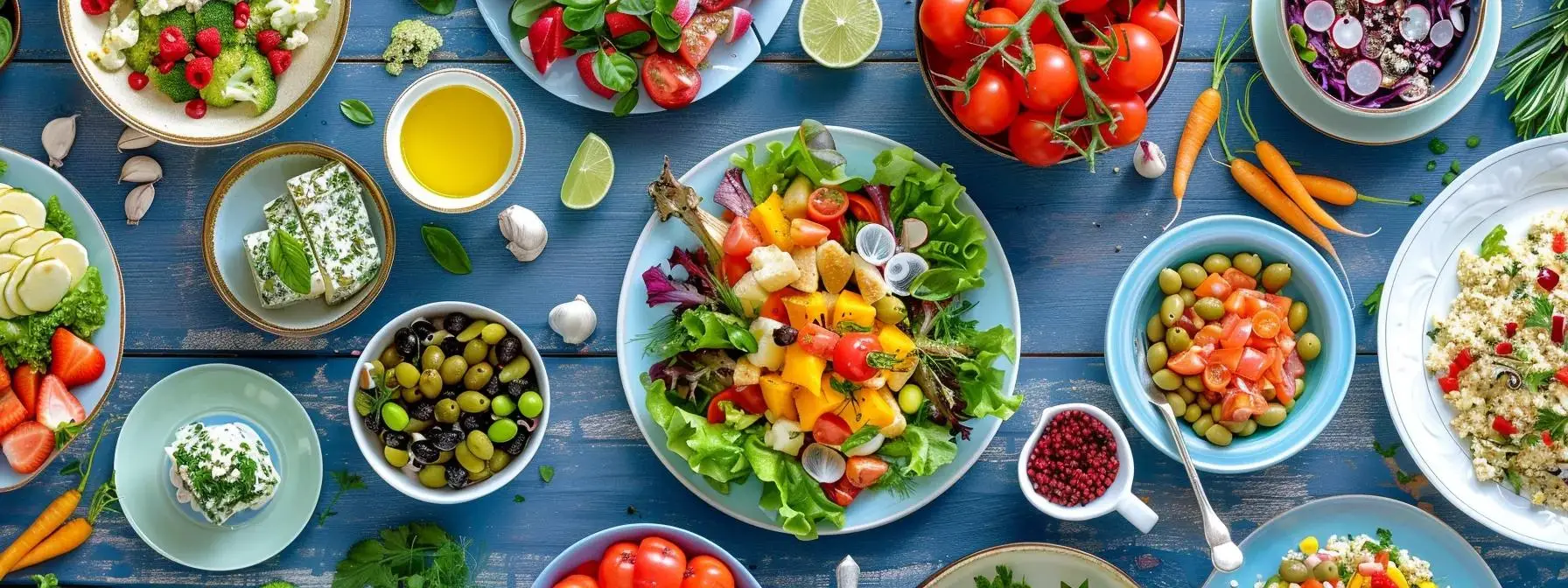
I have never seen a client that did not have some element of a digestive issue. I wanted to learn about nutritional strategies I could incorporate into treatment plans for a whole-body approach. The follow are some key points from a recent course I completed in Nutritional Psychiatry, a collaboration of Mass General Hospital‘s learning academy and Harvard Medical School, primarily led by Dr. Uma Naidoo.
Dr. Uma Naidoo is a Harvard-trained psychiatrist, chef, and nutritionist who specializes in nutritional psychiatry, a field that explores the impact of food on mental health. She is the Director of Nutritional and Metabolic Psychiatry at Massachusetts General Hospital, where she established the first hospital-based nutritional psychiatry clinic. Dr. Naidoo is a Harvard Medical School faculty member and author.
Here are some highlights:
Gut-Brain Connection – The brain and the gut are directly connected by the vagus nerve and is bidirectional. We send signals to our brain via the food we eat and the brain signals the gut to respond. Think ‘gut feeling’.
Gut Microbiome – Microbes are the bacteria that live in our gut. When fed and protected, that ‘good’ bacteria assists our body in carbohydrate break down, mood regulation via well-fed neurotransmitters, vitamin absorption, hormone production, and immunity (to name a few). Our ‘born-with’ microbes came from our mother! Microflora is another word for the good bacteria in the gut.
Dysbiosis – ‘Bad’ bacteria over-grow from a poor diet of processed foods, trans fats, sugar, over use of antibiotics, poor sleep, stress, medications, and substance use. This out of balance gut microbiome directly affects mood.
Body Intelligence requires an understanding of how your digestive system works.

Feed your Microflora for a stable mood
Our microflora love all kinds of diverse fiber foods (fruit, vegetables, nuts, seeds). What we eat, they eat.

Our microflora also love fermented foods (kimchi, sauerkraut, kefir, yogurt, kombucha). Adding these things to breakfast, lunch, and dinner will balance your microbiome over time.

The Journey to a Healthy Gut for Life
The journey to balancing our microflora can take longer than you think. A couple of days of kombucha will not turn it around. Your mindset has to be in it for life. Plan on a few months before you see and consistent improvements and then celebrate if they happed sooner. Be curious.
How do you know if you gut microflora is healthy.
- Daily or twice daily beautiful poop (think coiled snake-like)
- Very limited gas, cramping, or bloating
- Very limited stomach discomfort
- No crazy cravings or hunger – balanced energy all day
Anxiety & Depression Symptoms
Many people who suffer from anxiety and depressive symptoms have nutrient deficiencies . These can be tested with a simple blood draw from your primary care.
Colorful vegetables, berries, avocados, omega 3, and *vitamin D (sunlight exposure is best, a supplement is ok) are all nutritional strategies to address anxiety.
*Vitamin D is considered a neuroprotective to nerve cells, increasing stress tolerance.
Fermented foods, omega 3, and vitamin C are all nutritional strategies to address depression.
Nutritional Psychiatry IS NOT a substitute for pharmacology. Nutritional strategies can improve mental health outcomes when used holistically with high-quality therapy, movement, meditation, and pharmacology when necessary.
If these therapeutic interventions interest you, ask a therapist if they have training in this approach and include your primary care in the discussion.
If you are a health care provider and would like to take this course, here is the link